Pandemic Preparedness and Response: Lessons from the Past, Insights for the Future
N/A
ABSTRACT
The COVID-19 pandemic has underscored the critical need for robust pandemic preparedness and response (PPR) strategies. This article explores the historical context of pandemics, including the Spanish Flu, cholera, and Ebola outbreaks, to highlight key lessons learned. It emphasizes the importance of community involvement, equitable resource allocation, and public-funded innovation in enhancing global health security. By examining the roles of technology, gender considerations, and mental health support, the article provides an overview of effective PPR measures. Drawing insights from a recent COPPER meeting featuring Aggrey Aluso, it advocates for proactive, coordinated efforts and global solidarity to mitigate the impact of future pandemics. A current example is the response of the WHO and the Africa Centers for Disease Control and Prevention to the outbreak of Mpox in the continent.
Introduction
The COVID-19 pandemic has profoundly impacted every aspect of our lives, exposing vulnerabilities in global health systems and highlighting the urgent need for robust pandemic preparedness and response (PPR) strategies. The Communities in Pandemic Preparedness & Response (COPPER) initiative serves as a vital platform to address these issues. COPPER is designed as a series of Learning Exchange Sessions (LESSONS) aimed at fostering community engagement, knowledge sharing, and developing strategies to enhance global pandemic preparedness and response.
The first session of COPPER was held on July 30, 2024, featuring a keynote presentation by Aggrey Aluso, Director of the Africa Region at the Pandemic Action Network. This initial session, titled "Introduction to Pandemic Preparedness and Response," focused on exploring the foundational concepts of PPR, lessons learned from previous pandemics such as COVID-19, and the crucial role civil societies play in pandemic preparedness and response.
This article goes into the broader context and the intricacies of PPR by incorporating insights from the COPPER workshop, emphasizing the importance of proactive measures, community involvement, and equitable resource allocation to ensure a resilient global health system capable of mitigating the effects of future pandemics.
The Historical Context of Pandemics
Pandemics are not a novel phenomenon; they have been an integral part of human history. Significant pandemics include the Spanish Flu of 1918-1920, which infected approximately 500 million people and resulted in 50-100 million deaths, and more recent outbreaks like Ebola and COVID-19. These pandemics have underscored the necessity of early detection, rapid response, and comprehensive public health strategies to curb their spread and impact.
The cholera pandemics of the 19th and early 20th centuries further illustrate the devastating effects of infectious diseases. Cholera spread across continents, killing millions and prompting significant advancements in public health infrastructure, such as improved sanitation and water quality. The importance of these and how much remains to be done is borne out by the ongoing cholera outbreak, which has been affecting multiple regions globally, and remains a critical public health challenge.
Cholera outbreak
As of May 2024, cholera cases surged across 24 countries (Figure 1), particularly in the African, Eastern Mediterranean, and European regions, according to the latest WHO situation report.
Figure 1
Cholera cases and deaths reported across the affected WHO regions as of May 26, 2024
WHO Region |
Country/Territory |
Cases (Jan-May 2024) |
Deaths |
Case Fatality Rate (CFR) |
African Region |
Zambia |
20,113 |
637 |
3.2% |
|
Zimbabwe |
19,759 |
395 |
2.0% |
|
|
Democratic Republic of the Congo |
16,539 |
295 |
1.8% |
|
|
Ethiopia |
16,163 |
124 |
0.8% |
|
|
Mozambique |
7,762 |
16 |
0.2% |
|
|
Somalia |
13,079 |
120 |
0.9% |
|
Eastern Mediterranean Region |
Afghanistan |
46,758 |
25 |
0.1% |
|
Pakistan |
18,318 |
0 |
0.0% |
|
|
Yemen |
7,353 |
48 |
0.7% |
|
European Region |
Mayotte (France) |
105 |
1 |
1.0% |
Region of the Americas |
Haiti |
2,672 |
13 |
0.5% |
South-East Asia Region |
India |
1,320 |
4 |
0.3% |
Figure 1 Table: Cholera Cases and Deaths (January-May 2024) - Source: WHO Multi-Country Cholera Outbreak Situation Report No. 15, June 19, 2024.
The global community's response, including the mobilization of vaccines and the deployment of resources, is critical to controlling this outbreak and preventing further loss of life. This was highlighted during the recent AVMA and Gavi 6.0 launch, where global health leaders emphasized the urgent need for additional funding and expansion of vaccination efforts to address this ongoing crisis.
The unfolding cholera crisis, particularly in regions with limited access to clean water, sanitation, and healthcare resources underlines the focus of the COPPER workshop’s message – learning from the history of past epidemics about the importance of addressing the root causes of disease spread, such as poor living conditions and inadequate healthcare systems. So, let’s get back to the history lesson.
The Complexity of Defining a Pandemic
The term "pandemic" refers to an outbreak that spreads across multiple countries or continents, usually affecting a large number of people. However, the definition is often influenced by political and economic considerations, as seen in the varied responses to different outbreaks.
For example, the Ebola outbreak in West Africa in 2014-2016 was initially underestimated, leading to delayed international response and a higher death toll. The outbreak highlighted the need for a clear and universally accepted definition of a pandemic, which would trigger immediate and coordinated global action. Effective pandemic response hinges on recognizing potential threats early and mobilizing resources swiftly to prevent localized outbreaks from escalating into global crises.
An example can be seen in the World Health Organization (WHO) calling for an emergency meeting on August 8, 2024 to determine whether the outbreak of monkeypox (Mpox) is a matter of global concern. This was prompted by a surge of Mpox cases (nearly 27,000) being reported in the Democratic Republic of Congo (DRC) and a new viral strain, which had emerged in September 2023 being detected for the first time outside DRC. According to the Africa Centers for Disease Control and Prevention (Africa CDC) what is of concern is that the overwhelming majority of cases in DRC are of children under the age of 15. The Africa CDC stated that Mpox had cut a swathe across nearly 16 of the continent’s 55 countries. The situation led to the WHO activating the Emergency Use Listing (EUL) inviting manufacturers of Mpox vaccine to apply for it. This will speed up the access of vaccines to low-income countries, which have not yet obtained national regulatory approval of their own, while also enabling Gavi and UNICEF to procure vaccines for distribution. Why this is important can be seen in the section below.
The Importance of Equity in Resource Allocation
One of the most glaring issues during the COVID-19 pandemic was the inequitable distribution of vaccines and resources. High-income countries secured large quantities of vaccines, leaving low- and middle-income countries struggling to protect their populations. This disparity not only prolongs the pandemic but also exacerbates existing inequalities. To address this, global health initiatives must prioritize equitable access to resources, ensuring that all countries can respond effectively to pandemics.
Equity in resource allocation extends beyond vaccines to include access to diagnostics, treatments, and healthcare infrastructure. The COVID-19 pandemic has shown that marginalized communities, including ethnic minorities, refugees, and those living in poverty, are disproportionately affected by pandemics. Addressing these disparities requires a commitment to social justice and the implementation of policies that promote health equity.
The Role of Communities in Pandemic Response
Communities must be at the forefront of the pandemic response. Their involvement is crucial for early detection, effective response, and sustained recovery. The COVID-19 pandemic illustrated the shortcomings of top-down approaches, where community engagement was often an afterthought. Involving communities in planning and decision-making processes ensures that responses are culturally appropriate, timely, and effective. Community health workers, local organizations, and civil society groups play pivotal roles in disseminating information, supporting public health measures, and ensuring that vulnerable populations are not left behind.
During the Ebola outbreak, community engagement was a key factor in controlling the spread of the virus. Local leaders, community health workers, and traditional healers were instrumental in educating the public, dispelling myths, and promoting safe practices. This grassroots approach helped to build trust and cooperation, which are essential for the success of public health interventions.
Moreover, communities play a pivotal role not only in pandemic response but also in managing ongoing public health challenges such as Neglected Tropical Diseases (NTDs). Effective community engagement ensures that marginalized populations receive the attention and resources they need to cope with these persistent health threats. The COPPER workshop emphasized that empowering communities with the knowledge and tools to address both pandemics and NTDs is essential for building resilient health systems.
Financing Innovations for Global Health Security
The workshop lesson underlined how traditional models of innovation driven by market forces often neglect diseases prevalent in low-income settings. To ensure global health security, there is a need for public-funded innovation ecosystems that prioritize public health over profits. Such models should focus on developing diagnostics, therapeutics, and vaccines for diseases with pandemic potential, irrespective of their market viability. This approach requires robust funding mechanisms, international collaboration, and a commitment to treating health innovations as global public goods.
Public-private partnerships (PPPs) can play a crucial role in financing and developing health innovations. These partnerships bring together the resources and expertise of governments, private sector companies, and non-governmental organizations to address public health challenges. Successful examples of PPPs include the Coalition for Epidemic Preparedness Innovations (CEPI) and Gavi, the Vaccine Alliance, which have contributed significantly to the development and distribution of vaccines.
Lessons for the Future: Proactive and Coordinated Efforts
The future of pandemic preparedness and response lies in proactive and coordinated efforts at all levels—global, regional, national, and community. Key strategies include:
Strengthening Surveillance Systems:
Investing in early warning systems and ensuring timely reporting of outbreaks.
Building Health Infrastructure:
Enhancing healthcare facilities, training healthcare workers, and ensuring the availability of essential medical supplies.
Promoting Public Health Education:
Increasing health literacy and engaging communities in public health initiatives.
Ensuring Political Commitment:
Governments must prioritize health security in their national agendas and allocate sufficient resources for PPR.
Fostering Global Solidarity:
International cooperation is essential for sharing knowledge, resources, and best practices.
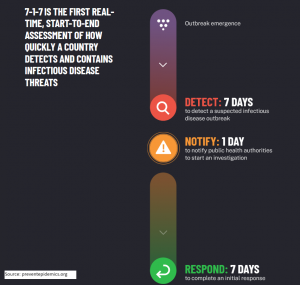
As emphasized during the COPPER workshop, adopting frameworks like the 100 Days Mission (Figure 2) and the 7 Day Rule (Figure 3) is crucial for ensuring rapid and effective pandemic responses. These initiatives aim to expedite vaccine development and distribution within 100 days of an outbreak, while the 7 Day Rule emphasizes the importance of immediate action to prevent localized outbreaks from escalating.
Figure 2
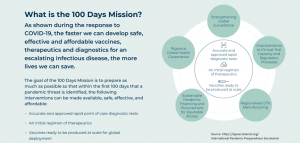
Figure 3
The insights from the COPPER Lessons, featuring Aggrey Aluso, underscore that pandemics are an inevitable part of our future. However, by learning from past experiences and implementing comprehensive, equitable, and proactive strategies, we can better prepare for future pandemics and minimize their impact on global health.
The Way Forward
Gender Considerations in Pandemic Preparedness
Pandemics disproportionately affect women and girls, exacerbating existing gender inequalities. Women are more likely to be frontline healthcare workers, placing them at higher risk of infection. Additionally, women often bear the brunt of caregiving responsibilities, which can limit their economic opportunities and increase their vulnerability during pandemics.
Integrating gender considerations into PPR strategies can help to mitigate the unique challenges faced by women and promote more equitable outcomes. This includes ensuring that women are represented in decision-making processes, providing gender-specific health services, and implementing policies that support women's economic empowerment.
The Role of Technology in Pandemic Response
Technological advancements have revolutionized pandemic response, enabling rapid data collection, analysis, and dissemination. Digital tools, such as mobile health applications and telemedicine, have improved access to healthcare and public health information. During the COVID-19 pandemic, technology played a crucial role in contact tracing, vaccine distribution, and remote healthcare delivery.
However, the digital divide remains a significant barrier to equitable access to technology. Ensuring that all communities have access to digital tools and infrastructure is essential for maximizing the benefits of technological innovations in pandemic response. This requires investment in digital literacy programs and the development of affordable and accessible technologies.
Addressing the Psychological Impact of Pandemics
Pandemics have profound psychological effects, leading to increased rates of anxiety, depression, and other mental health issues. The social isolation, economic uncertainty, and loss of loved ones associated with pandemics can take a significant toll on mental health. Addressing these challenges requires comprehensive mental health support services, including counseling, support groups, and public awareness campaigns.
Integrating mental health into pandemic preparedness and response plans is essential for promoting holistic health and well-being. This includes training healthcare workers to provide psychological support, ensuring access to mental health services, and reducing the stigma associated with mental health issues.
Conclusion
Ensuring that we are prepared for future pandemics requires a multifaceted approach that includes community engagement, equitable resource allocation, public-funded innovation, and strong political commitment. By working together and fostering global solidarity to build a resilient global health system we can create a safer, healthier future for all. The time is now.
Tags:
Leave a Comment
Comments
No comments yet. Be the first to comment!