Common challenges in African health programs: Utilization, data management, and supply chain issues
N/A
Article Type:
Analysis
Author:
Date:
2024-03-07
ABSTRACT
This article explores shared challenges in health programs across Côte d'Ivoire, Ethiopia, Ghana, and Uganda, as revealed in Global Fund audit reports published in December 2023. It focuses on three critical areas: low utilization of key health interventions, issues with data quality and management, and challenges in procurement and supply chain management. These obstacles collectively impede efforts to combat diseases such as malaria, AIDS, tuberculosis, and other public health threats in these countries.
Audit reports from the Global Fund's Office of the Inspector General (OIG), released in December 2023, identified common challenges in health programs across Côte d'Ivoire, Ethiopia, Ghana, and Uganda. These challenges encompass low utilization of health interventions, issues with data quality and management, procurement and supply chain obstacles, financial constraints, policy and legal barriers, and gaps in capacity building. These factors collectively hinder progress in combatting diseases such as malaria, AIDS, tuberculosis (TB), and other public health threats in these nations. Despite ongoing efforts to enhance healthcare systems, these challenges persist, underscoring the need for collaborative action among governments, donors, and other stakeholders to address them effectively.
The OIG audits aimed to assess the effectiveness of Global Fund grants in the four countries. These audits were conducted from January 2021 to December 2022 in Côte d'Ivoire, Ghana, and Uganda, and from July 2021 to December 2022 in Ethiopia. Côte d'Ivoire and Ghana are located in Western Africa, while Ethiopia and Uganda are situated in Eastern Africa. These four countries were chosen randomly for this analysis and not for any specific reason.
We highlight similar observations from the four audit reports and summarize them into two articles. In this first article, we concentrate on three key areas: the low utilization of key health interventions, challenges pertaining to the quality and management of data, and issues related to procurement and supply chain management.
Low utilization of key health interventions
In the healthcare sector of select African countries, a notable hurdle is the inadequate utilization of essential health interventions. This challenge presents itself in various forms, ranging from the underutilization of mosquito nets to prevent malaria to the insufficient availability of HIV tests and treatments for tuberculosis. For example, in Côte d'Ivoire, the OIG noted that the distribution of mosquito nets encountered obstacles, resulting in an increase in malaria cases due to inadequate coverage. The 2021 mass distribution campaign for mosquito nets lacked crucial pre- and post-campaign communication activities aimed at promoting mosquito nets utilization. Absence of post-campaign surveys to evaluate Behavioral Change Communication effectiveness hindered insights into mosquito nets usage behaviors. Uganda faced delays in bug-spraying efforts and experienced shortages of nets, impeding malaria control initiatives. Meanwhile, the OIG noted that Ethiopia grappled with procurement delays and inadequate planning, leading to a rise in malaria cases and highlighting deficiencies in vector control strategies. Conversely, Ghana struggled with limited government funding, which hindered the distribution of mosquito nets and underscored broader challenges in healthcare infrastructure and resource allocation.
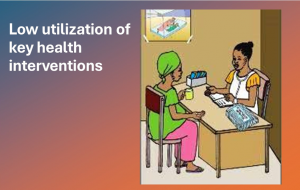 Furthermore, inadequate screening for tuberculosis in health centers and communities in Ghana indicates systemic deficiencies in healthcare delivery. Uganda faced obstacles in training health workers, particularly in treating tuberculosis among children under five. Ethiopia encountered challenges in tuberculosis treatment, exacerbated by maintenance issues with testing machines and shortages of testing supplies. Côte d'Ivoire struggled to provide adequate treatment for pregnant women with malaria and exhibited shortcomings in evaluating the efficacy of their interventions post-net distribution, highlighting deficiencies in program management and evaluation.
Based on OIG audit reports, various factors contribute to this low utilization of key health interventions, including ineffective information dissemination, inadequate communication regarding behavioral changes, and accessibility issues in healthcare services. Consequently, there is a pressing need for targeted outreach and education campaigns to enhance awareness and encourage the uptake of health services among the population.
Challenges pertaining to the quality and management of data
The challenges surrounding the quality and management of data in healthcare systems are critical issues that must be addressed to ensure effective delivery of services and improved health outcomes. The OIG identified obstacles in Uganda, Ghana, and Ethiopia that hinder the accurate collection, analysis, and utilization of health data. These challenges have far-reaching implications for program planning, evaluation, and resource allocation within the healthcare sector.
Furthermore, inadequate screening for tuberculosis in health centers and communities in Ghana indicates systemic deficiencies in healthcare delivery. Uganda faced obstacles in training health workers, particularly in treating tuberculosis among children under five. Ethiopia encountered challenges in tuberculosis treatment, exacerbated by maintenance issues with testing machines and shortages of testing supplies. Côte d'Ivoire struggled to provide adequate treatment for pregnant women with malaria and exhibited shortcomings in evaluating the efficacy of their interventions post-net distribution, highlighting deficiencies in program management and evaluation.
Based on OIG audit reports, various factors contribute to this low utilization of key health interventions, including ineffective information dissemination, inadequate communication regarding behavioral changes, and accessibility issues in healthcare services. Consequently, there is a pressing need for targeted outreach and education campaigns to enhance awareness and encourage the uptake of health services among the population.
Challenges pertaining to the quality and management of data
The challenges surrounding the quality and management of data in healthcare systems are critical issues that must be addressed to ensure effective delivery of services and improved health outcomes. The OIG identified obstacles in Uganda, Ghana, and Ethiopia that hinder the accurate collection, analysis, and utilization of health data. These challenges have far-reaching implications for program planning, evaluation, and resource allocation within the healthcare sector.
 In Uganda, deficiencies in malaria control efforts are exacerbated by limited guidelines and tools to ensure data quality. The lack of standardized protocols for data collection and reporting leads to discrepancies in reported malaria cases and mortalities, undermining the reliability of the data. Additionally, shortages of dedicated staff and inadequate record-keeping further compound the problem, hindering effective monitoring and evaluation of malaria control programs.
Ghana has made strides in strengthening programmatic data management through initiatives such as expanding the coverage of the Health Management Information System (HMIS) and District Health Management Information System (DHIMS). However, despite these efforts, substantial inaccuracies persist in routine programmatic data, particularly concerning key indicators for diseases like HIV, TB, and malaria. These inaccuracies not only undermine the effectiveness of disease control efforts but also hinder the assessment of grant performance, impacting resource allocation and program planning.
Similarly, Ethiopia grapples with data quality issues that affect malaria program planning and decision-making processes. Many health facilities lack mechanisms to review data in the District Health Information System 2 (DHIS2), leading to inaccurate reporting and delayed information dissemination. Moreover, interoperability issues between electronic health information systems, which refer to the capability of different applications to access, exchange, integrate, and cooperatively utilize data, further compound these challenges. These hurdles impede the achievement of targets and hinder effective supply chain management.
Data challenges extend beyond the mentioned countries. In its audit report on in-country data and data systems, the OIG highlighted failures to perform data triangulation and significant unreconciled variances between HMIS and Logistics Management Information Systems (LMIS) data in nine audits conducted since 2018. These issues were identified in audits conducted in various countries: Niger and Tanzania in 2018; Sierra Leone and Rwanda in 2019; Cote d'Ivoire and Zimbabwe in 2020; and Congo, Mozambique, and Nigeria in 2022.
Challenges related to procurement and supply chains
Procurement inefficiencies, delayed supply chain processes, and shortages of essential health commodities present formidable obstacles to healthcare delivery in African countries. These challenges are exacerbated by factors such as inadequate funding, logistical constraints, and weak distribution systems, which contribute to disruptions in the availability of vital medicines, diagnostic tools, and other critical supplies.
In Uganda, deficiencies in malaria control efforts are exacerbated by limited guidelines and tools to ensure data quality. The lack of standardized protocols for data collection and reporting leads to discrepancies in reported malaria cases and mortalities, undermining the reliability of the data. Additionally, shortages of dedicated staff and inadequate record-keeping further compound the problem, hindering effective monitoring and evaluation of malaria control programs.
Ghana has made strides in strengthening programmatic data management through initiatives such as expanding the coverage of the Health Management Information System (HMIS) and District Health Management Information System (DHIMS). However, despite these efforts, substantial inaccuracies persist in routine programmatic data, particularly concerning key indicators for diseases like HIV, TB, and malaria. These inaccuracies not only undermine the effectiveness of disease control efforts but also hinder the assessment of grant performance, impacting resource allocation and program planning.
Similarly, Ethiopia grapples with data quality issues that affect malaria program planning and decision-making processes. Many health facilities lack mechanisms to review data in the District Health Information System 2 (DHIS2), leading to inaccurate reporting and delayed information dissemination. Moreover, interoperability issues between electronic health information systems, which refer to the capability of different applications to access, exchange, integrate, and cooperatively utilize data, further compound these challenges. These hurdles impede the achievement of targets and hinder effective supply chain management.
Data challenges extend beyond the mentioned countries. In its audit report on in-country data and data systems, the OIG highlighted failures to perform data triangulation and significant unreconciled variances between HMIS and Logistics Management Information Systems (LMIS) data in nine audits conducted since 2018. These issues were identified in audits conducted in various countries: Niger and Tanzania in 2018; Sierra Leone and Rwanda in 2019; Cote d'Ivoire and Zimbabwe in 2020; and Congo, Mozambique, and Nigeria in 2022.
Challenges related to procurement and supply chains
Procurement inefficiencies, delayed supply chain processes, and shortages of essential health commodities present formidable obstacles to healthcare delivery in African countries. These challenges are exacerbated by factors such as inadequate funding, logistical constraints, and weak distribution systems, which contribute to disruptions in the availability of vital medicines, diagnostic tools, and other critical supplies.
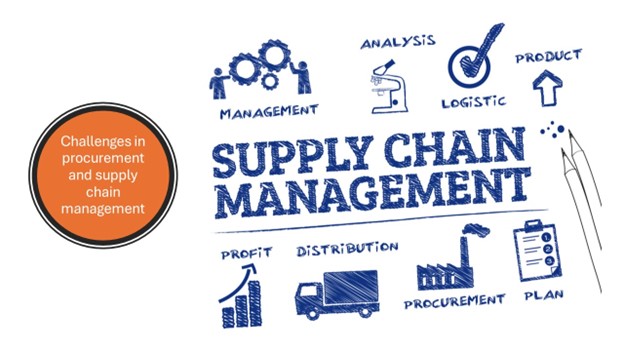 In Côte d'Ivoire, the OIG observed that monitoring procurement activities is hindered by inaccurate baseline data, leading to delays and inefficiencies in procurement planning. Limited staff capacity for procurement and coordination issues further exacerbates these challenges, while inadequate planning tools and processes complicate coordination among stakeholders, resulting in ineffective monitoring of procurement activities.
Similarly, the OIG noted that Uganda grapples with challenges related to data compatibility and insufficient IT infrastructure, despite investments in electronic logistics management systems. These issues impede the effective sharing and utilization of data across different systems, leading to distribution delays and shortages at healthcare facilities. Fragmented roles and responsibilities within the supply chain also hinder timely commodity availability.
In Ghana, fragmented roles between government entities and inadequate oversight contribute to procurement and distribution delays. Problems with integrating different systems at sub-national levels lead to gaps in commodity traceability and stock management. Financial constraints further exacerbate these challenges, resulting in stock-outs of essential commodities.
Although Ethiopia has made strides in enhancing procurement and supply chain management, challenges persist. Procurement delays and data gaps for demand planning continue to lead to stock-outs and expired commodities. Difficulties in implementing the new Enterprise Resource Planning System (ERP) system further impact data accuracy and visibility throughout the supply chain.
Way forward
Addressing the multifaceted challenges faced by health programs in Côte d'Ivoire, Ethiopia, Ghana, and Uganda requires collaborative and strategic interventions. Improvements in program management, resource allocation, healthcare infrastructure, and community engagement are essential to enhance the utilization of key health interventions and achieve meaningful improvements in public health outcomes.
Furthermore, strengthening health information systems, building capacity for data collection and analysis, and ensuring transparency and accountability in reporting are crucial steps toward overcoming challenges related to the quality and management of data. Investments in training healthcare personnel in data management techniques, improving the interoperability of health information systems, and implementing robust quality assurance mechanisms are essential for overcoming these obstacles. Additionally, promoting a culture of data-driven decision-making and fostering collaboration among stakeholders can enhance the utilization of health data for informed policy formulation and program implementation.
Moreover, streamlining procurement processes, improving supply chain management systems, and enhancing coordination among stakeholders are vital for ensuring the uninterrupted availability of essential health commodities. Investments in infrastructure, technology, and human resources will bolster the resilience and efficiency of supply chains, ultimately contributing to better healthcare delivery and outcomes in these African countries.
It is crucial to promote country ownership in fostering transparency and accountability of donor-supported programs by strengthening accountability systems within countries. This involves enhancing the capacity of in-country accountability systems, including Supreme Audit Institutions (SAIs), which are independent governmental bodies responsible for auditing the financial activities and performance of public sector entities. SAIs should audit donor-supported programs, including data, procurement, and supply chains. In employing this approach, in-country structures can be utilized to identify challenges and risks faced by programs, rather than depending on external bodies such as the OIG to recognize these issues after they emerge.
In Côte d'Ivoire, the OIG observed that monitoring procurement activities is hindered by inaccurate baseline data, leading to delays and inefficiencies in procurement planning. Limited staff capacity for procurement and coordination issues further exacerbates these challenges, while inadequate planning tools and processes complicate coordination among stakeholders, resulting in ineffective monitoring of procurement activities.
Similarly, the OIG noted that Uganda grapples with challenges related to data compatibility and insufficient IT infrastructure, despite investments in electronic logistics management systems. These issues impede the effective sharing and utilization of data across different systems, leading to distribution delays and shortages at healthcare facilities. Fragmented roles and responsibilities within the supply chain also hinder timely commodity availability.
In Ghana, fragmented roles between government entities and inadequate oversight contribute to procurement and distribution delays. Problems with integrating different systems at sub-national levels lead to gaps in commodity traceability and stock management. Financial constraints further exacerbate these challenges, resulting in stock-outs of essential commodities.
Although Ethiopia has made strides in enhancing procurement and supply chain management, challenges persist. Procurement delays and data gaps for demand planning continue to lead to stock-outs and expired commodities. Difficulties in implementing the new Enterprise Resource Planning System (ERP) system further impact data accuracy and visibility throughout the supply chain.
Way forward
Addressing the multifaceted challenges faced by health programs in Côte d'Ivoire, Ethiopia, Ghana, and Uganda requires collaborative and strategic interventions. Improvements in program management, resource allocation, healthcare infrastructure, and community engagement are essential to enhance the utilization of key health interventions and achieve meaningful improvements in public health outcomes.
Furthermore, strengthening health information systems, building capacity for data collection and analysis, and ensuring transparency and accountability in reporting are crucial steps toward overcoming challenges related to the quality and management of data. Investments in training healthcare personnel in data management techniques, improving the interoperability of health information systems, and implementing robust quality assurance mechanisms are essential for overcoming these obstacles. Additionally, promoting a culture of data-driven decision-making and fostering collaboration among stakeholders can enhance the utilization of health data for informed policy formulation and program implementation.
Moreover, streamlining procurement processes, improving supply chain management systems, and enhancing coordination among stakeholders are vital for ensuring the uninterrupted availability of essential health commodities. Investments in infrastructure, technology, and human resources will bolster the resilience and efficiency of supply chains, ultimately contributing to better healthcare delivery and outcomes in these African countries.
It is crucial to promote country ownership in fostering transparency and accountability of donor-supported programs by strengthening accountability systems within countries. This involves enhancing the capacity of in-country accountability systems, including Supreme Audit Institutions (SAIs), which are independent governmental bodies responsible for auditing the financial activities and performance of public sector entities. SAIs should audit donor-supported programs, including data, procurement, and supply chains. In employing this approach, in-country structures can be utilized to identify challenges and risks faced by programs, rather than depending on external bodies such as the OIG to recognize these issues after they emerge.
Furthermore, inadequate screening for tuberculosis in health centers and communities in Ghana indicates systemic deficiencies in healthcare delivery. Uganda faced obstacles in training health workers, particularly in treating tuberculosis among children under five. Ethiopia encountered challenges in tuberculosis treatment, exacerbated by maintenance issues with testing machines and shortages of testing supplies. Côte d'Ivoire struggled to provide adequate treatment for pregnant women with malaria and exhibited shortcomings in evaluating the efficacy of their interventions post-net distribution, highlighting deficiencies in program management and evaluation.
Based on OIG audit reports, various factors contribute to this low utilization of key health interventions, including ineffective information dissemination, inadequate communication regarding behavioral changes, and accessibility issues in healthcare services. Consequently, there is a pressing need for targeted outreach and education campaigns to enhance awareness and encourage the uptake of health services among the population.
Challenges pertaining to the quality and management of data
The challenges surrounding the quality and management of data in healthcare systems are critical issues that must be addressed to ensure effective delivery of services and improved health outcomes. The OIG identified obstacles in Uganda, Ghana, and Ethiopia that hinder the accurate collection, analysis, and utilization of health data. These challenges have far-reaching implications for program planning, evaluation, and resource allocation within the healthcare sector.
In Uganda, deficiencies in malaria control efforts are exacerbated by limited guidelines and tools to ensure data quality. The lack of standardized protocols for data collection and reporting leads to discrepancies in reported malaria cases and mortalities, undermining the reliability of the data. Additionally, shortages of dedicated staff and inadequate record-keeping further compound the problem, hindering effective monitoring and evaluation of malaria control programs.
Ghana has made strides in strengthening programmatic data management through initiatives such as expanding the coverage of the Health Management Information System (HMIS) and District Health Management Information System (DHIMS). However, despite these efforts, substantial inaccuracies persist in routine programmatic data, particularly concerning key indicators for diseases like HIV, TB, and malaria. These inaccuracies not only undermine the effectiveness of disease control efforts but also hinder the assessment of grant performance, impacting resource allocation and program planning.
Similarly, Ethiopia grapples with data quality issues that affect malaria program planning and decision-making processes. Many health facilities lack mechanisms to review data in the District Health Information System 2 (DHIS2), leading to inaccurate reporting and delayed information dissemination. Moreover, interoperability issues between electronic health information systems, which refer to the capability of different applications to access, exchange, integrate, and cooperatively utilize data, further compound these challenges. These hurdles impede the achievement of targets and hinder effective supply chain management.
Data challenges extend beyond the mentioned countries. In its audit report on in-country data and data systems, the OIG highlighted failures to perform data triangulation and significant unreconciled variances between HMIS and Logistics Management Information Systems (LMIS) data in nine audits conducted since 2018. These issues were identified in audits conducted in various countries: Niger and Tanzania in 2018; Sierra Leone and Rwanda in 2019; Cote d'Ivoire and Zimbabwe in 2020; and Congo, Mozambique, and Nigeria in 2022.
Challenges related to procurement and supply chains
Procurement inefficiencies, delayed supply chain processes, and shortages of essential health commodities present formidable obstacles to healthcare delivery in African countries. These challenges are exacerbated by factors such as inadequate funding, logistical constraints, and weak distribution systems, which contribute to disruptions in the availability of vital medicines, diagnostic tools, and other critical supplies.
In Côte d'Ivoire, the OIG observed that monitoring procurement activities is hindered by inaccurate baseline data, leading to delays and inefficiencies in procurement planning. Limited staff capacity for procurement and coordination issues further exacerbates these challenges, while inadequate planning tools and processes complicate coordination among stakeholders, resulting in ineffective monitoring of procurement activities.
Similarly, the OIG noted that Uganda grapples with challenges related to data compatibility and insufficient IT infrastructure, despite investments in electronic logistics management systems. These issues impede the effective sharing and utilization of data across different systems, leading to distribution delays and shortages at healthcare facilities. Fragmented roles and responsibilities within the supply chain also hinder timely commodity availability.
In Ghana, fragmented roles between government entities and inadequate oversight contribute to procurement and distribution delays. Problems with integrating different systems at sub-national levels lead to gaps in commodity traceability and stock management. Financial constraints further exacerbate these challenges, resulting in stock-outs of essential commodities.
Although Ethiopia has made strides in enhancing procurement and supply chain management, challenges persist. Procurement delays and data gaps for demand planning continue to lead to stock-outs and expired commodities. Difficulties in implementing the new Enterprise Resource Planning System (ERP) system further impact data accuracy and visibility throughout the supply chain.
Way forward
Addressing the multifaceted challenges faced by health programs in Côte d'Ivoire, Ethiopia, Ghana, and Uganda requires collaborative and strategic interventions. Improvements in program management, resource allocation, healthcare infrastructure, and community engagement are essential to enhance the utilization of key health interventions and achieve meaningful improvements in public health outcomes.
Furthermore, strengthening health information systems, building capacity for data collection and analysis, and ensuring transparency and accountability in reporting are crucial steps toward overcoming challenges related to the quality and management of data. Investments in training healthcare personnel in data management techniques, improving the interoperability of health information systems, and implementing robust quality assurance mechanisms are essential for overcoming these obstacles. Additionally, promoting a culture of data-driven decision-making and fostering collaboration among stakeholders can enhance the utilization of health data for informed policy formulation and program implementation.
Moreover, streamlining procurement processes, improving supply chain management systems, and enhancing coordination among stakeholders are vital for ensuring the uninterrupted availability of essential health commodities. Investments in infrastructure, technology, and human resources will bolster the resilience and efficiency of supply chains, ultimately contributing to better healthcare delivery and outcomes in these African countries.
It is crucial to promote country ownership in fostering transparency and accountability of donor-supported programs by strengthening accountability systems within countries. This involves enhancing the capacity of in-country accountability systems, including Supreme Audit Institutions (SAIs), which are independent governmental bodies responsible for auditing the financial activities and performance of public sector entities. SAIs should audit donor-supported programs, including data, procurement, and supply chains. In employing this approach, in-country structures can be utilized to identify challenges and risks faced by programs, rather than depending on external bodies such as the OIG to recognize these issues after they emerge.
Publication Date:
2024-03-07
Tags:
Leave a Comment
Comments
No comments yet. Be the first to comment!